
Scrotal and testicular trauma exploration and repair
Exploration of blunt, penetrating or degloving scrotal injury with testicular salvage, tunical repair and staged soft-tissue reconstruction where possible.
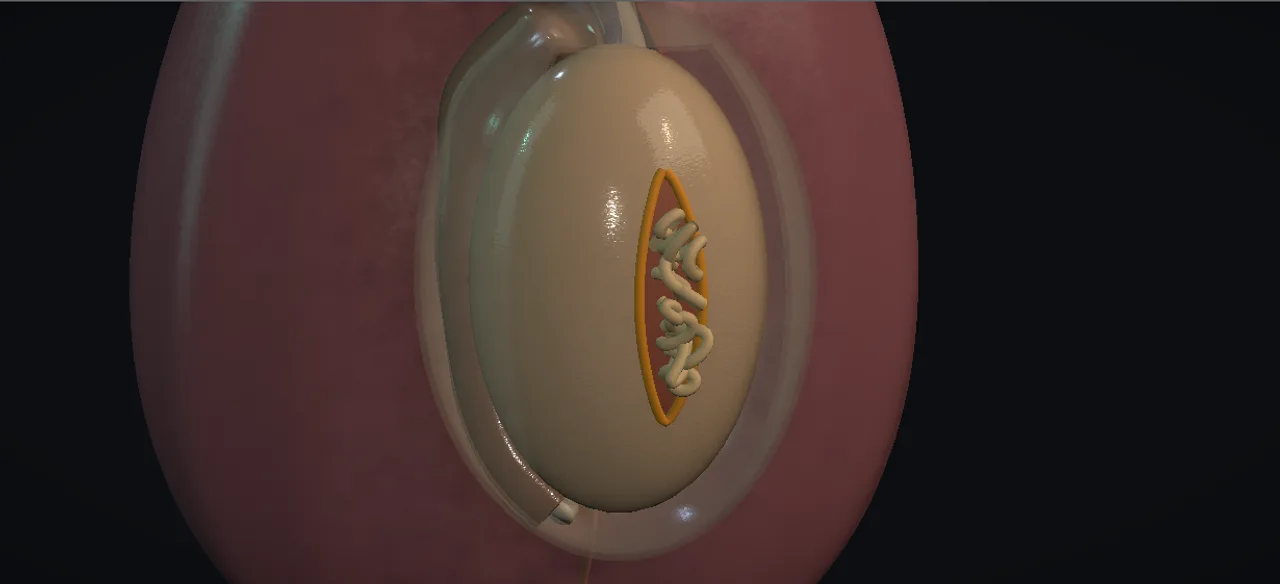 Interactive 3D Interactive scrotal trauma exploration Open the 3D animation
Teaching catalogue only. This coverage record is not a patient pathway or operative instruction.
Typical place in practice
Suspected testicular rupture, expanding haematoma, penetrating injury, tissue loss or uncertain viability after genital trauma.
Alternatives and neighbouring procedures
Observation with imaging and review for selected minor injuries with intact tunica and stable symptoms.
Same procedure family, explicit technique branches
These are variations of this canonical operation. Complication modules below identify whether they apply to all branches or only to named approaches.
Testicular exploration and tunical repair
Preserves viable seminiferous tissue within a reconstructed tunica albuginea.
Partial orchidectomy
Retains viable tissue when only part of the testis is unsalvageable.
Trauma orchidectomy
Prioritises safety when reconstruction cannot preserve a viable organ.
Scrotal degloving reconstruction
Restores protection to exposed viable testes and cords.
High-level sequence
Coverage outline only; not a step-by-step technical guide.
- Assess mechanism, perfusion and associated urethral or pelvic injury
- Expose and evacuate haematoma while preserving blood supply
- Debride only non-viable tissue and control bleeding
- Repair tunica or remove unsalvageable tissue
- Restore scrotal coverage and plan fertility/endocrine follow-up
Every failure mode is its own module.
Timing and variation coverage are recorded for each module.
Testicular atrophy or delayed loss
Vascular injury and compartment pressure can impair viability despite initial salvage.
Applies to: All variantsBleeding, haematoma or infection
Contaminated tissue and extensive raw surfaces increase both bleeding and infection risks.
Applies to: All variantsMissed urethral or contralateral testicular injury
A focused wound can distract from a wider genital or pelvic injury pattern.
Applies to: All variantsWound breakdown or graft/flap loss
Contamination, oedema and marginal perfusion can compromise soft-tissue coverage.
Applies to: Scrotal degloving reconstructionChronic pain, sensory change or cosmetic deformity
Scar, nerve injury and altered anatomy can cause durable symptoms.
Applies to: All variantsReduced fertility or androgen function
The consequence depends on bilateral injury, tissue loss and pre-existing reserve.
Applies to: All variantsPsychological impact of genital injury or organ loss
Trauma-related distress and body-image change warrant deliberate follow-up.
Applies to: All variantsSources for this module
Renal, ureteric, bladder, urethral and genital trauma and reconstruction.
Accessed 2026-08-03 · opens source British Association of Urological Surgeons Patient information leaflets by procedureUK patient-facing procedure, alternatives, recovery and complication framing.
Accessed 2026-08-03 · opens source